
A child finds a leaf, announces that a stuffed animal needs a doctor, or invents a new way to move across the room. Before supplying the next instruction, try joining their idea.
Harvard’s Center on the Developing Child describes “serve and return” as responsive, back-and-forth exchanges between a young child and a caring adult. These everyday interactions support the foundations of communication and social skills. You don’t need a lesson plan to make space for them. Harvard’s guide to serve and return.
A small experiment for this week
Choose a few unhurried minutes. Notice what has your child’s attention. Name it or ask a simple question, then pause long enough for a response. If the child changes direction, see where the new idea goes.
For example, if a stuffed animal becomes the patient, you might ask, “What does your puppy need?” A towel could become a blanket. You can offer a helping hand without deciding the whole story. This is an activity idea to try, not a test or a developmental benchmark.
A classroom version
Give children room to offer ideas during a familiar activity. One child might suggest a movement; another might add a sound or a pretend setting. A predictable routine can still leave space for children to influence what happens inside it.
Where enrichment fits
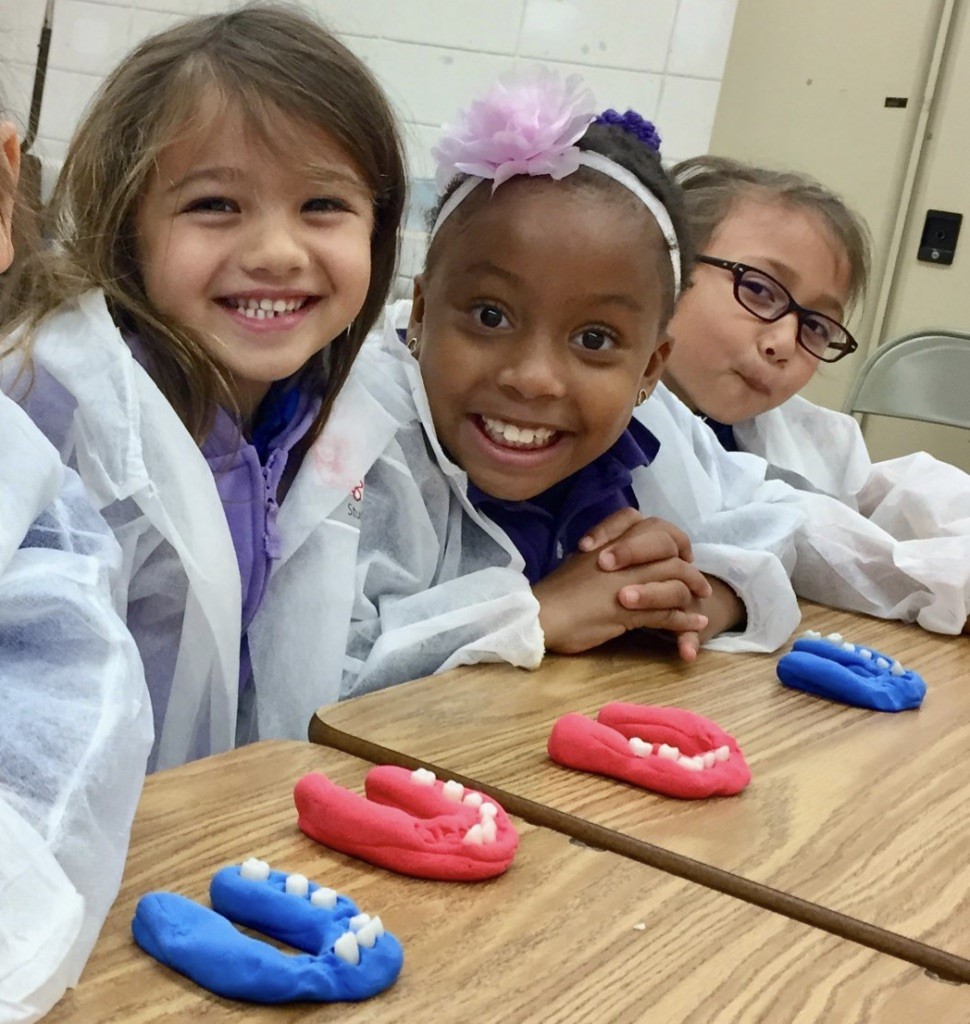
At MHK, fun, noncompetitive participation, and whole-child development guide our approach. A useful question when choosing any class is: will my child have chances to explore, respond, and connect with other people? Soccer, medical role-play, and martial arts offer different starting points for that conversation. A class is one option alongside the everyday play that already happens at home and school.
You can explore our programs together, or simply follow today’s next interesting idea.